
Orchestrate business processes across the automation stack.
Build and run visual processes that connect Gluware applications, external systems, operational logic, scheduling, and traceable tasks.
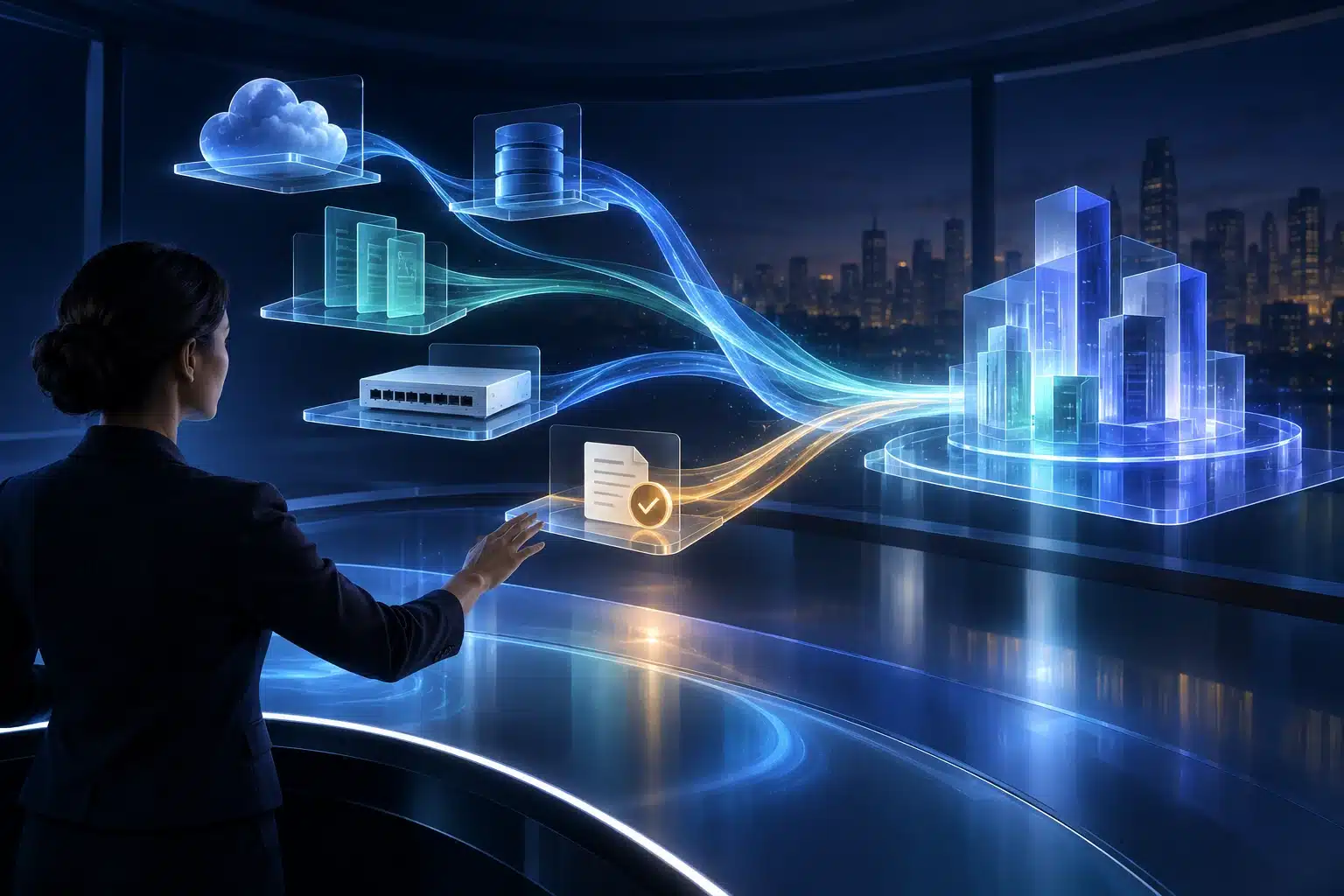
WHY IT MATTERS
Business outcomes rarely stop at the network device.
An upgrade or policy correction may require a ticket, approval, change window, infrastructure operation, and a record of the result. Separate tools can automate parts of that process while leaving the team to coordinate every handoff. Network RPA connects those parts into a repeatable process.
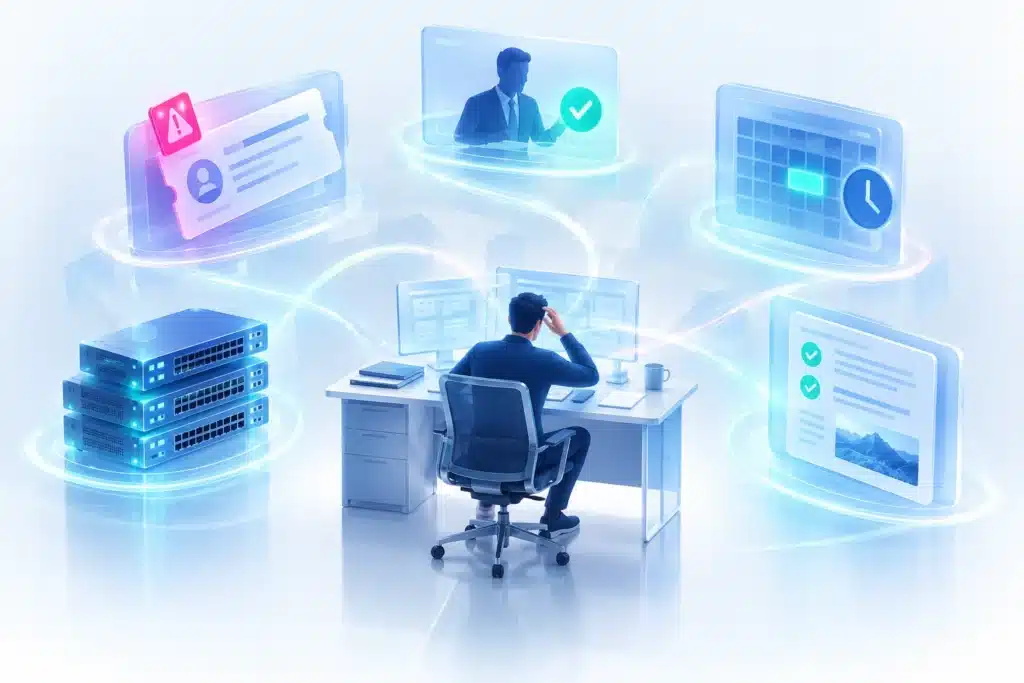
WHAT NETWORK RPA PROVIDES
Capabilities built for the work.

THE BUSINESS CONTRIBUTION
Connect the capability to visible value.
Orchestration helps the team deliver a complete operational outcome, with fewer manual handoffs between systems. The same process can be applied repeatedly as network coverage and business demand grow.
PART OF THE FULL STACK
Connect the work to the wider platform.
Network RPA coordinates work. Device Manager, Config Drift & Audit, OS Manager, Config Model Editor, DIAL, or external executors perform the relevant infrastructure operations. Its visual interface helps teams operate and inspect the process.
Functional lifecycle components
OS Manager
Use OS catalogs and deployment plans to select approved images, validate readiness, schedule upgrades or downgrades, and review execution results on supported devices.
Functional lifecycle components
Config Model Editor
Model multi-vendor CLI and API intended configuration state with declarative enforcement.
Orchestration & integrations
ServiceNow Integration
Synchronize mapped inventory with ServiceNow CMDB and use Service Connector tasks in Network RPA to connect ticket and change processes to automation.
Orchestration & integrations
Ansible Integration
Use Network RPA to incorporate Ansible playbooks into processes that span Gluware applications and external systems.
Put Network RPA to work.
See how this capability can support your next network automation outcome.
PLATFORM CAPABILITIES
CAPABILITIES THIS COMPONENT SUPPORTS
See the functional value.
Network discovery & onboarding
Discover the fleet, establish device context, and turn existing configurations into models your team can manage.
Device & OS lifecycle management
Connect discovered inventory, device advisories, image selection, deployment plans, and operational checks.
Configuration intent & drift management
Define reusable configuration intent, detect departures, apply modeled changes, and reassess the result.
Continuous compliance & reporting
Connect repeatable policy checks, corrective processes, and evidence that operations, security, and compliance teams can review.
Network exposure management
Bring device advisories, contextual CVE assessment, and supported remediation into a governed network process.
Cross-system orchestration
Connect network tasks, source-of-truth data, service-management steps, external executors, and records in a repeatable process.
Network discovery
Build repeatable discovery plans for multi-vendor networks using seeded neighbor discovery or subnet scanning.
Process automation
Connect application tasks, decisions, approvals, and records through visual orchestration.
Network state assessments
Define CLI/API state checks for on-demand assessment, provisioning pre/post checks, and Network RPA tasks.
Configuration audit
Evaluate required and forbidden configuration conditions with repeatable audit policies and evidence.
Network state audit
Evaluate captured operational command results against defined rules and retain findings for review.
Git integration
Synchronize supported constructs, audit policies, and Network RPA artifacts with Git-based repositories.
OS management & patching
Plan, validate, schedule, and review supported network software upgrades, downgrades, and patching operations.
Backup & restore
Back up supported device configurations and preserve the model, policy, and process artifacts needed to operate them.